
Colors - Colours
English Vocabulary
Listen to the pronunciation of the colours in English in the video above.
What is the difference between Color and Colour?
Both words mean the same thing and its spelling depends on the country where the word is written.
The word Color is used in United States.
The word Colour is used in the rest of the English-speaking countries (England, Australia, NZ etc.)
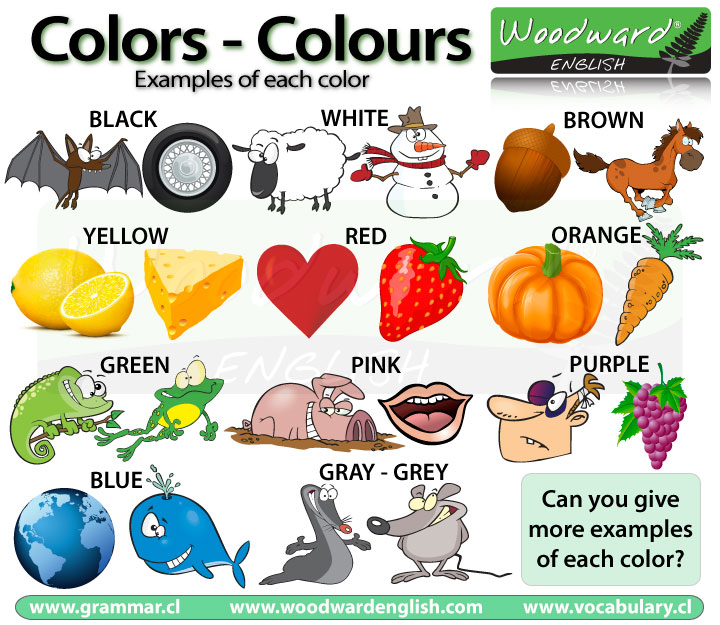
The names of the more common colours in English appear in the chart below:
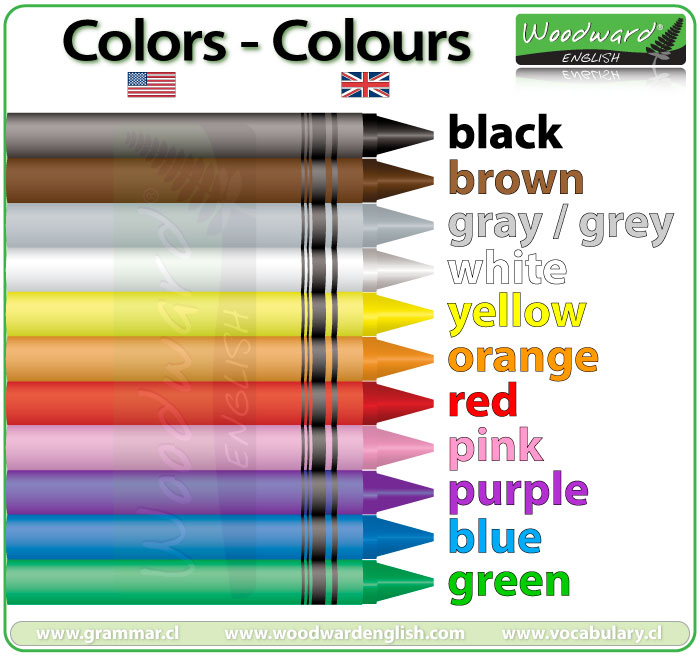
What is the difference between Gray and Grey?
The same as with the difference between color and colour, it depends on the country.
The word Gray is used in United States.
The word Grey is used in the rest of the English-speaking countries (England, Australia, NZ etc.)
Word order with colours
There are three ways that you can use a colour in a sentence to describe something:
1. To Be + Colour. e.g. My car is blue.
2. Colour + Noun. e.g. The blue car is mine.
3. Colour is the Noun. e.g. Blue is the colour of my car.
Did you know that, because colours give us more information about a person or a thing, they are adjectives in English?
Light - Dark - Bright
You can also talk in shades (or intensity) of colour in English by using such expressions as:
Light is the opposite of Dark.
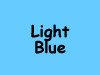
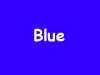
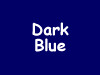
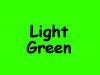
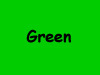
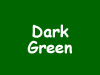
Bright: a strong colour that is easy to see.
- Helen has dark green eyes.
- His light grey hair made him look very distinguished.
- Her bright pink lipstick doesn't look good.
The words Light, Dark and Bright are placed before the colour.
Colours + ISH
If you are not exactly sure how to describe a colour, we normally use the suffix -ish.
e.g. Greenish (= approximately green but not exactly green)
- The sunset is a beautiful pinkish-purplish colour today.
- His shirt is lightish blue in colour.
Typical Things of each Colour
The following is a list of things typically associated with each colour:
Red: Strawberry, Rose, Fire engine, Blood, Heart
Orange: Pumpkin, Carrot, Basketball
Yellow: Cheese, Sun, Butter, Lemon
Green: Grass, Lettuce, Frog, Leaf, Lizard
Blue: Sky, Ocean, Blueberry, Whale
Black: Bat, Night, Tire (tyre), Fly
White: Paper, Sugar, Milk, Snow, Sheep
Pink: Pig, Tongue, Cotton candy (Candy floss)
Brown: Wood, Cigar, Earth, Acorn, Horse
Grey / Gray: Rock, Lead, Dust, Mouse, Elephant
Purple: Bruise, Grapes
How many more things can you add to each colour?
See the complete lesson about typical things of each colour here: Colours - Typical Things of each one
Next Activities
Games:
- Names of colors in English Game (using a picture with 11 colors)
- Try our interactive vocabulary game to practice the colours in English
Similar Topic
- You might want to check out our notes about Adjectives and their opposites.
If you found this Vocabulary about Colors - Colours interesting or useful, let others know about it.


